About Me

From Media Studies to
Science Communication

I live in the space where ideas meet movements, where media theory bends toward media competence, and where media research unfolds into media design and art. In recent years, my work has gravitated toward Science Communication and processes of knowledge communication.
  • All
  • Book
  • Conference
  • Event
  • Paper
  • Videography
  • Workshop
Publications & Talks
Nov 2025Oct 2025Oct 2025Sep 2025

Teaching Areas

Entrepreneurship: Professional Pitch Video Presentation

Strategies for Science Communication

Information Design and Data Visualisation

Media Production Technologies

Innovative Online Formats, Apps, Serious Games

Interactive & Social Media, Data-driven Journalism

Project Management and Professional Communication

Science Communication Strategies

Media & Communication Theories

Media Art and Media Design

Web Design & Interactive Content

Digital Learning

Information Design

Innovative Digital Formats

Colour Research

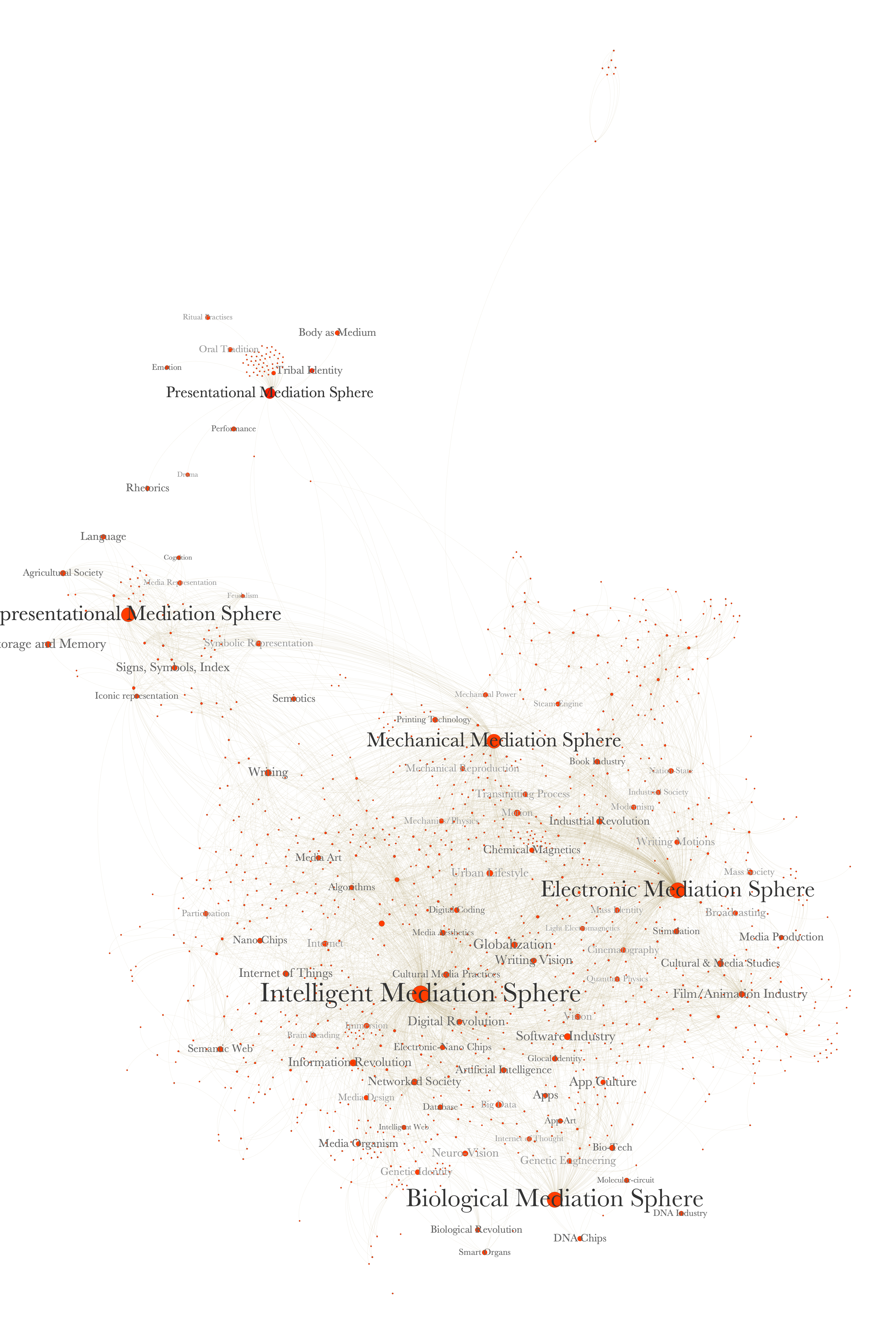
Mediation Spheres>
Scrolling Image Frame
Philosophical Turn
Concept of media in relation to 'truth' or 'divinity'
Linguistic Turn
Concept of media as language
Sociological Turn
Concept of media as social institutions
Technological Turn
Concept of media as technology and means/channel of communication
Communication Turn
Concept of media as cultural meaning
Biological Turn
Concept of media as biological organism

Concept of Media

What are media?

How do we define the concept of media?

In common discourse the concept of media is usually defined positive–e.g. media as a particular technology or means/channels of communication. In some media discourses a negative concept of media is proposed – e.g. media as complex sets of medial relations or mediation processes.

The definition of media is in course of transformation in history and among different cultures. This conceptual shift, from past to the present, can be traced in religious/philosophical contexts (media in relation to truth or divinity), the linguistic turn (media as language), a social turn (media as social institution), a technological turn (media as technology and technique), a communication turn (media as cultural meaning) and a biological turn (media as organism).

Media formation and practices can be divided into presentational, representational, mechanical, electronic, intelligent and biological mediation spheres.''

Maryam Bolouri

Media Practices

The practices of media has been evolved throughout the history. It can be divided broadly into three areas: media forms, media design and media art.
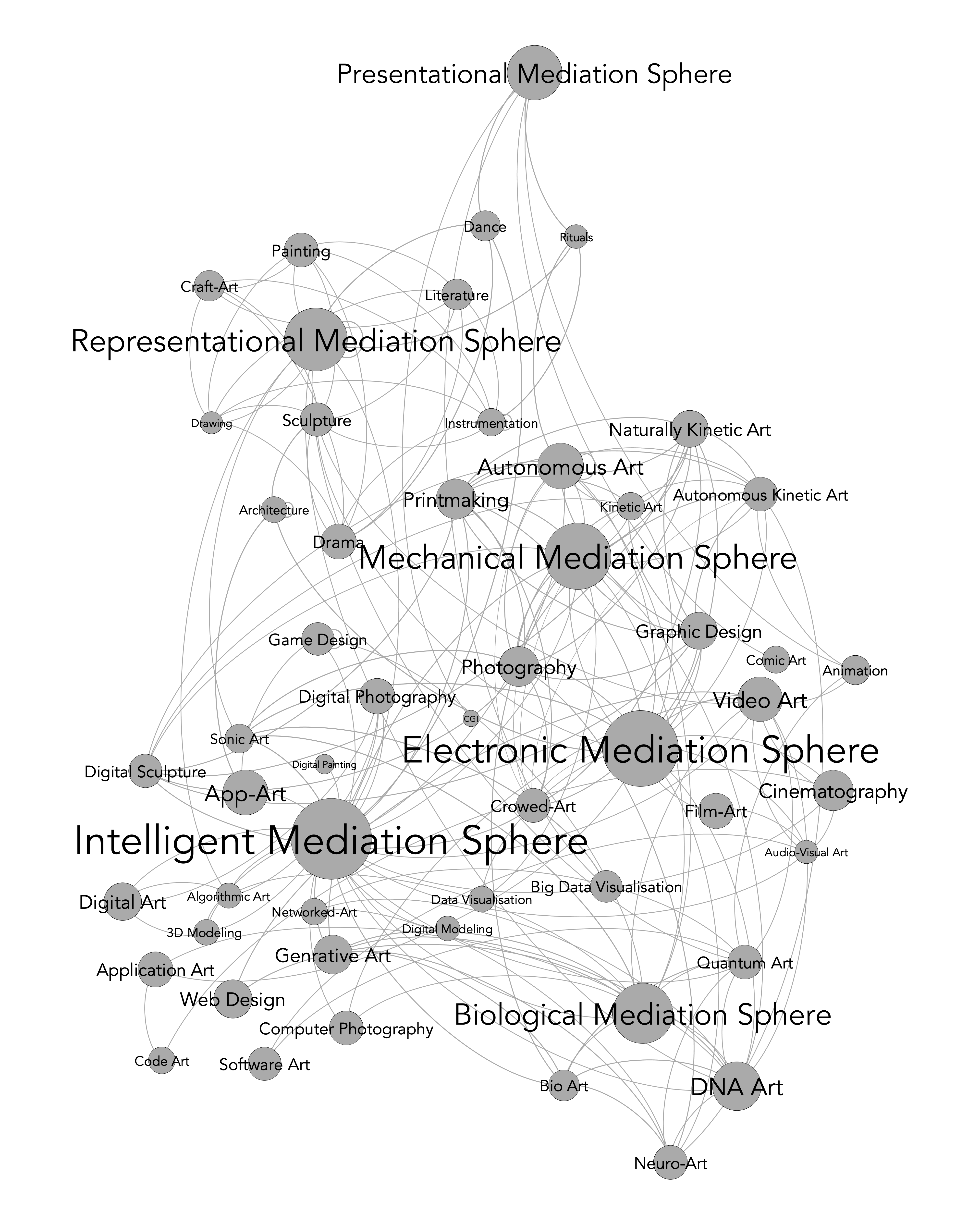
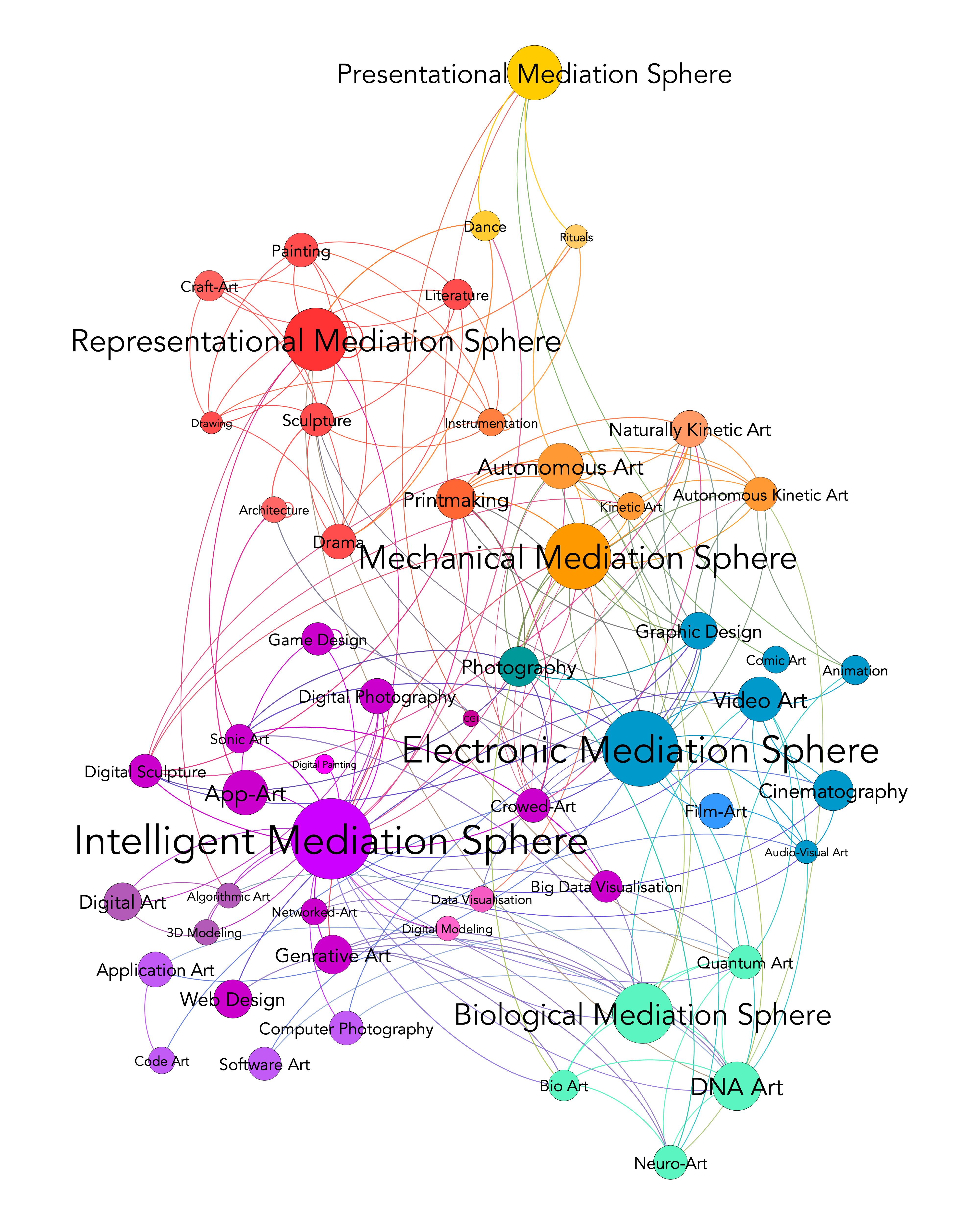
Media format shaped throughout the history around certain technique of storage, transmission, and media culture.

Media practices are consciously (re)designed at various levels for/by/with ‘users.’ For instance, the software and application design are targeting professionals, while web design and game design considering the media market and media culture. Design of digital advertising (both commercial or political) across social media are similarly sensitive to the information generated about the users.

Media art practices are usually a controversial field. Many art historians pose contra-arguments for the concept of media arts. Media are usually viewed as instruments of artistic expressions and they consider contemporary media art in the broader category of contemporary art. From the media studies perspective, there is, however, a scope to argue for the concept of media art. Media art are encompassing a wide-range of practices from exploring artistic aesthetics, to (re)construction of media practices, criticisms of mainstream media, media experiment, media avant-garde movements, expanding the perceptions and consciousness, which bring media culture and media literacy into new fronts.

Main ImageHover Image